TL;DR: Operating a no KYC crypto exchange exposes both users and operators to significant risks. With AML crypto rules tightening worldwide, KYC crypto requirements are becoming essential across the industry. Many platforms without crypto KYC remain non-compliant, putting exchanges and their founders at serious regulatory and reputational risk.
What is a No KYC Crypto Exchange?
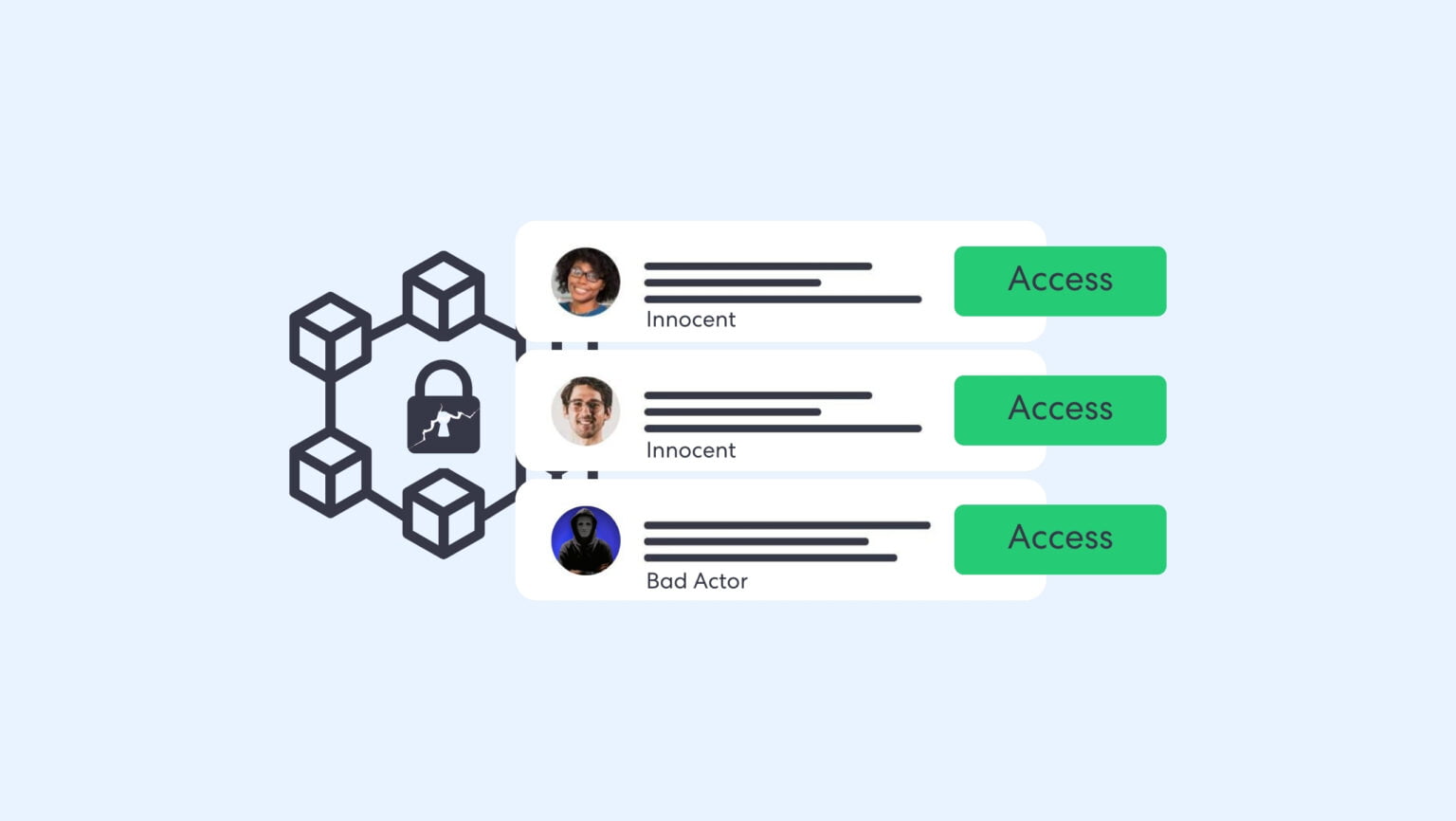
Operating a crypto exchange without a KYC program makes the exchange extremely accessible to both regular users who want to use the platform innocently and bad actors who want to use it maliciously. Crypto exchanges without a KYC strategy can quickly attract a vast and extremely broad user base.
What do Crypto KYC Procedures Help No KYC Crypto Exchanges Achieve?
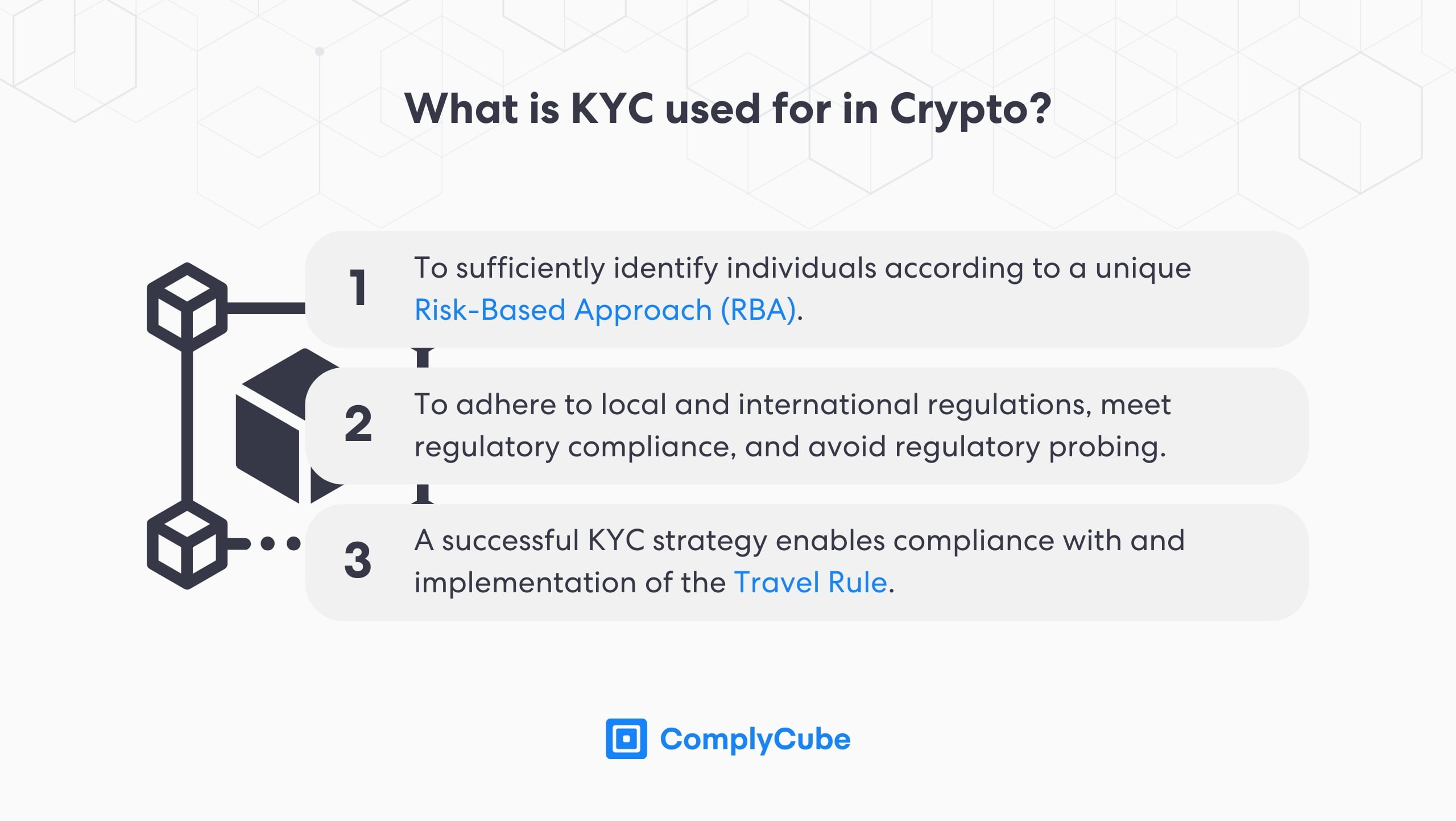
KYC in the cryptocurrency industry establishes who users are upon signup and continuously monitors their profiles. This ensures they do not pose a threat to the exchange’s compliance with national and international regulatory bodies.
So, if KYC processes are designed to safeguard the industry from both a user and Virtual Asset Service Provider (VASP) perspective, why would exchanges not implement one? This is a nuanced question. The cryptocurrency industry is one that was established on anonymity and privacy, with the ability to transact anonymously being the primary use case.
Therefore, certain crypto exchanges do not require a KYC process for users to trade on their platform. This allows users to trade under the industry’s core principle of anonymity. The issue this brings about, however, is that the lack of a KYC process increases the capacity for users to mask the origins of funds. This attracts bad actors, such as money launderers, to their exchange.
This makes no KYC exchanges a prime target for malicious financial activity. For more information on what a crypto KYC process involves and its purpose, read How KYC Crypto Regulations Safeguard the Industry.
Dangers for No KYC Crypto Exchange
Anti-Money Laundering regulatory bodies, including the Financial Crimes Enforcement Network (FinCEN) in America, the Financial Action Task Force (FATF) globally, and related policies such as the Bank Secrecy Act (BSA) are instrumental in regulating financial institutions.
In early 2024, the FATF posted a status update on how well various regions had implemented Recommendation 16 – the Crypto Travel Rule. This came ahead of its expected Mutual Evaluation report scheduled for 2025. These kinds of reports play a pivotal role in generating transparency throughout the industry.
The 5th Round of Mutual Evaluations should deliver a comprehensive study of how all FATF member regions have implemented multiple policies. For the cryptocurrency industry, this could be a regulatory watershed moment.
Dangers of a No KYC Crypto Exchange for Users
Crypto exchanges that do not make use of a KYC program are typically unregulated. While this does not make them an immediately dangerous place to trade, it is certainly more threatening than using other regulated exchanges with a rigorous KYC and AML program.
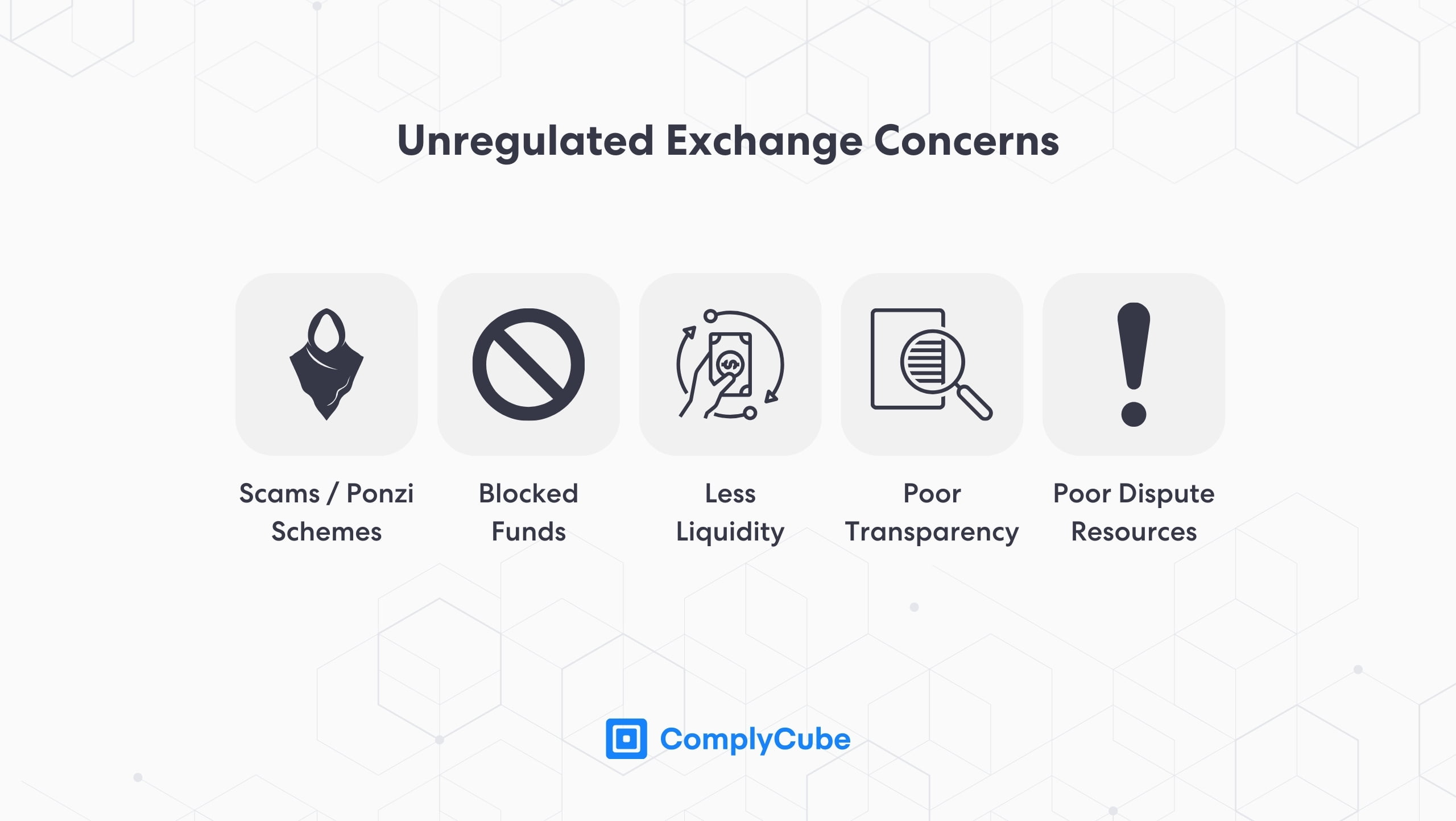
These exchanges, while more accessible and anonymous, can play host to a range of negative trends.
Users are more vulnerable to scams and Ponzi schemes endorsed by the exchange. As the platform is unregulated and the operators potentially not doxxed (known publicly), the likelihood of money being directly or indirectly stolen is much higher.
This also increases the likelihood of the exchange blocking user funds. Centralized Exchanges (CEXs) are in full control of the funds you deposit. While your funds are on the platform, you are not technically the owner of them.
Users will likely trade with lower liquidity, causing price volatility and market manipulation. Unregulated exchanges do not need to provide the same liquidity that regulated exchanges do. Therefore, big funds, known as whales, can cause huge volatility and manipulate the price of tokens.
These exchanges will not be transparent about their solvency, in essence, the value of the funds they possess (what they do with user deposits). In particularly volatile periods, many users will want to withdraw funds sporadically and immediately.
Finally, regarding issues of disputes, regulated platforms provide seamless and around-the-clock customer service. Smaller, unregulated exchanges will not supply this, and fund disputes are likely to be lost by the user.
Smaller, unregulated crypto exchanges are known for accessibility and anonymity but come at the price of user security. Regulated exchanges, such as BitGet, have a responsibility to protect their users, as evidenced by their solvency and Proof of Reserve documentation.
Cryptocurrency exchanges must be solvent to ensure everyone can withdraw their funds when they want to. Insolvency and the misuse of user funds were the leading factors behind the fall of the FTX crypto exchange, which was illegally swapping user funds with its sibling institution, Alameda Research.
As global crypto regulations become more holistic and the Travel Rule’s ‘sunrise issue’ begins to subside, Know Your Customer processes will become more paramount to the success of the industry, and the the prevalence of non-KYC crypto exchanges will likely decrease.
Crypto Anti-Money Laundering Regulators for No KYC Crypto Exchanges
VASPs and crypto firms are more commonly perceived as and, therefore, regulated in a similar way to traditional financial services. In January 2024, the EU confirmed that cryptocurrency exchanges should be held just as accountable as banks in safeguarding the financial system.
This involves a crypto exchange identifying customers with a rigorous Identity Verification process (IDV), which is the beginning of a KYC cycle. Not complying with global regulations as set out by the FATF, as well as local and federal regulations, can result in significant non-compliant fines.
Most recently, these have been charges of AML crypto breaches; the FATF’s Recommendation 16 is designed to improve the global interoperability of data between VASPs to aid in Anti-Money Laundering measures. For more information on this, read The Crypto Travel Rule.
Hong Kong Cryptocurrency Regulators
Hong Kong is rapidly becoming a hotspot for cryptocurrency adoption. In June 2023, the Securities and Futures Commission (SFC) in Hong Kong introduced a new regulatory framework for all VASPs operating a crypto trading platform. This new set of regulatory standards firmly aligns with the FATF’s Recommendation 16, and thus, the region can be seen to be compliant with the Travel Rule as of June 2023.
The SFC’s new framework, the ‘Guideline on Anti-Money Laundering and Counter Financing of Terrorism (For Licensed Corporations and SFC-licensed Virtual Asset Service Providers),’ will likely catalyze the region’s progress into a crypto heavyweight and, thus, restore its status as a financial hub.
Singapore Crypto Policies
The Monetary Authority of Singapore (MAS) published a framework for the implementation of the Travel Rule in 2019. This framework, named PSN02, came into effect in late January 2020 and incorporated the cryptocurrency industry into its legislation.
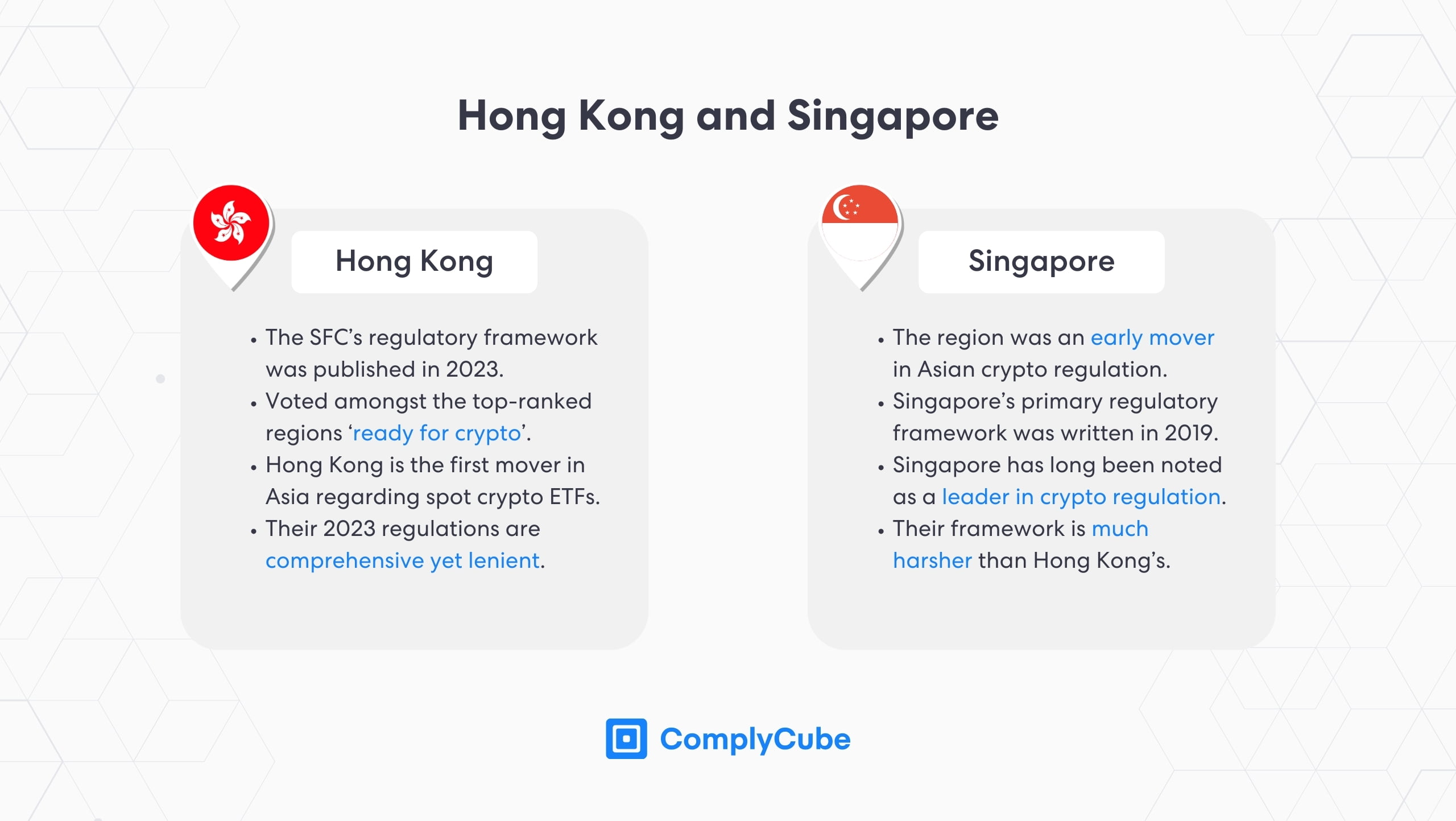
While Singapore was one of the early global movers to regulate the cryptocurrency industry, it has not launched a new framework for some time, such as the SFC’s Guidelines. This could count against the region in the short term as rival regions look to capitalize on the fast-expanding industry and become more ‘crypto-ready‘.
Case Study: KuCoin’s $300M Settlement Over AML and KYC Failures
In January 2025, KuCoin, one of the world’s largest crypto exchanges, pleaded guilty in the United States to operating an unlicensed money-transmitting business and failing to maintain adequate AML and KYC programs. Regulators highlighted how KuCoin’s weak compliance controls allowed criminals to launder funds through the platform, echoing the same vulnerabilities seen in no KYC crypto exchanges.
The exchange agreed to pay nearly $300 million in fines and forfeitures and entered into a deferred prosecution agreement. This outcome demonstrates the risks operators face when AML and KYC obligations are treated as secondary to growth and user acquisition. Even for global players, regulators are making it clear that failure to enforce robust “crypto KYC” is not sustainable.
For exchanges still operating without strong KYC controls, KuCoin’s case serves as a cautionary tale: inadequate compliance can trigger severe penalties, reputational collapse, and potential loss of market access.
The Importance of AML and KYC for No KYC Crypto Exchanges
It’s well noted that the cryptocurrency market is exposed to some of the highest money laundering risks. Their anonymity at scale, as well as being superfluous of financial intermediaries, makes them a prime target for malicious financial transactions.
Integrating KYC crypto measures is essential for cryptocurrency exchanges to mitigate financial crime. A common misconception regarding Know Your Customer is that the process simply hinges solely on Identity Verification (IDV).
Robust KYC processes go much further than just identifying a user. Modern AML crypto and KYC programs provide an all-in-one service for adhering to evolving international guidelines. They are pivotal in determining which accounts’ crypto transactions need monitoring and offering transaction monitoring as a service.
VASP Compliance for No KYC Crypto Exchanges
Platforms like SDK.finance offer a game-changer for developers building compliant crypto spending apps. SDK.finance provides a ready-made backend infrastructure specifically designed for payment applications, such as crypto. This software not only saves developers valuable time and resources but also streamlines the integration of KYC/AML providers.
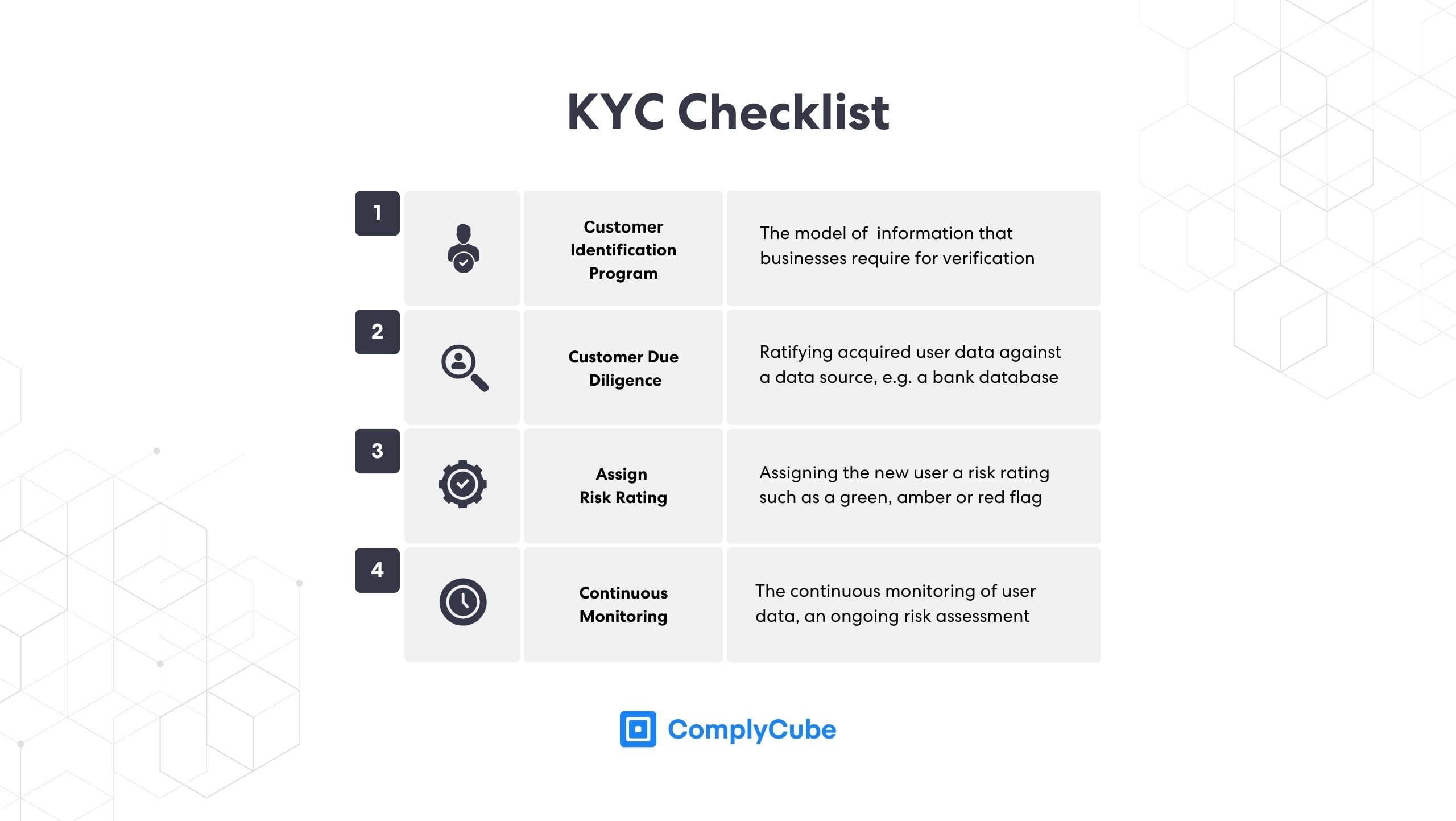
To fulfill KYC requirements, a VASP should:
Establish a Customer Identification Program.
Request data from and perform the necessary Customer Due Diligence (CDD) on users.
Assign a suitable risk rating to the new user.
Continuously monitor their profiles to ensure customer risk levels remain tolerable.
What Does the Future Look Like for Crypto Assets and No KYC Crypto Exchanges?
As the crypto industry expands and regulatory systems tighten, integrating stringent KYC and AML protocols becomes critical for both centralized platforms as well as decentralized applications (dApps). These include Decentralized Exchanges (DEXs), unhosted and private wallets, and many others.
Ensuring compliance with these measures is essential to meeting federal regulations, managing legal challenges, and upholding the legal expectations set for most cryptocurrency exchanges. KYC in crypto is, therefore, integral to the continued development and adoption of blockchain technology and its various use cases.
Key Takeaways About No KYC Crypto Exchange
- No KYC crypto exchanges are prime targets for fraud, scams, and money laundering.
- These exchanges are non-compliant with global AML and KYC regulations.
- The future of no KYC crypto exchanges is becoming increasingly limited with tight regulations.
- Users face risks such as frozen funds, market manipulation, low liquidity, and lack of dispute protection.
- ComplyCube helps no KYC crypto exchanges transition by providing AML, KYC, and IDV solutions to ensure compliance, protect users, and stay competitive.
No KYC Crypto Exchange vs Regulated VASPs
Exchanges employing KYC processes ensure compliance with KYC regulations, reducing risks of financial crimes and terrorist financing. They align with global standards, enhancing user trust and regulatory approval.
In contrast, non-KYC exchanges face significant risks, including scams and regulatory penalties, which can undermine their operation and customer confidence. The future outlook for non-KYC crypto exchanges appears challenging as regulatory frameworks tighten worldwide, pushing for enhanced KYC compliance.
Cryptocurrency exchanges will need to adopt stringent AML and KYC measures to ensure their continued operation. ComplyCube stands at the critical conjunction between secure operations and regulatory adherence.
The AML, KYC, and IDV services provide industry-leading solutions that help exchanges meet the dynamic KYC regulations and safeguard their operations. This ensures that VASPs can remain competitive in a hotly competitive field. If your crypto platform, VASP, or related enterprise requires a compliance solution, get in touch with a regulatory expert today.
Frequently Asked Questions About No KYC Crypto Exchanges
What is a no KYC crypto exchange?
A no KYC crypto exchange is a platform that lets users trade crypto without identity verification. While this offers anonymity, it exposes both users and operators to fraud, scams, and regulatory penalties.
Is it safe to use a no KYC crypto exchange?
No KYC crypto exchanges are generally high-risk compared to regulated platforms. Users may face frozen funds, scams, low liquidity, price manipulation, and weak dispute resolution.
Why do some crypto exchanges not require KYC?
Some exchanges avoid KYC to appeal to users seeking anonymity, a founding principle of the crypto industry. However, this lack of oversight attracts bad actors and undermines compliance with global AML rules.
What are the main risks of trading on a no KYC crypto exchange?
The risks include exposure to Ponzi schemes, market manipulation, insolvency, and blocked access to funds. Without regulation, users have little protection if disputes arise.
How can ComplyCube support no KYC crypto exchanges?
ComplyCube helps no KYC crypto exchanges transition to compliance by offering AML, KYC, and IDV solutions. These tools protect users, meet regulatory standards, and help platforms stay competitive in a tightening market.