TL;DR: Digital Identity Verification (IDV) solutions are increasingly adopted for online fraud prevention , combining deepfake detection technologies for sophisticated threats. However, current IDV adoption lags behind the use of AI tools to commit fraud. This guide explores the rise of modern fraud and how IDV solutions counter it.
The Rising Threat of Online Fraud
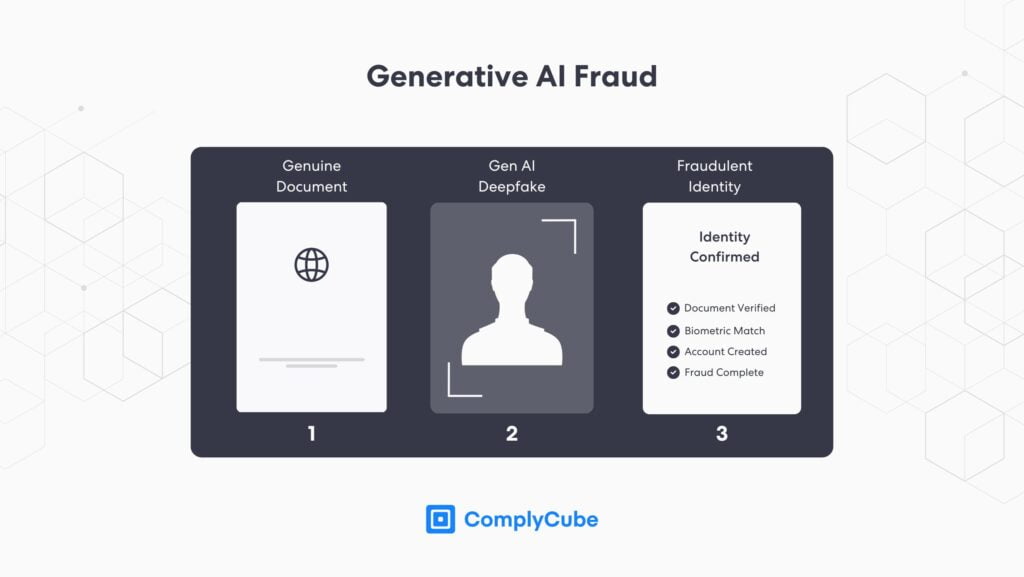
Digital fraud has changed. Identity fraud can now be conducted with AI technologies, such as deepfakes, to create lifelike and sometimes indistinguishable synthetic identities. These fraudulent methodologies can bypass many existing fraud prevention systems, delivering a resurgence in demand for new IDV technology.
Fraudulent Identity Documents
Fraudulent identity documents continue to threaten the digital economy. These fake documents, such as passports and driver’s licenses, are created with sophisticated techniques, bypassing existing online fraud prevention and security onboarding systems due to their meticulous detail.
- Counterfeit documents are reproductions of ID cards or other Know Your Customer (KYC) documents. They are made using high-precision printing techniques and official materials, and their resemblance to genuine documents is uncanny.
- Forged documents are authentic documents that have likely been stolen and tampered with. The tampering could be regarding the stock image, date of birth, or other details that the fraudster needs to change to commit malicious acts.
Deepfakes Threaten the Modern World
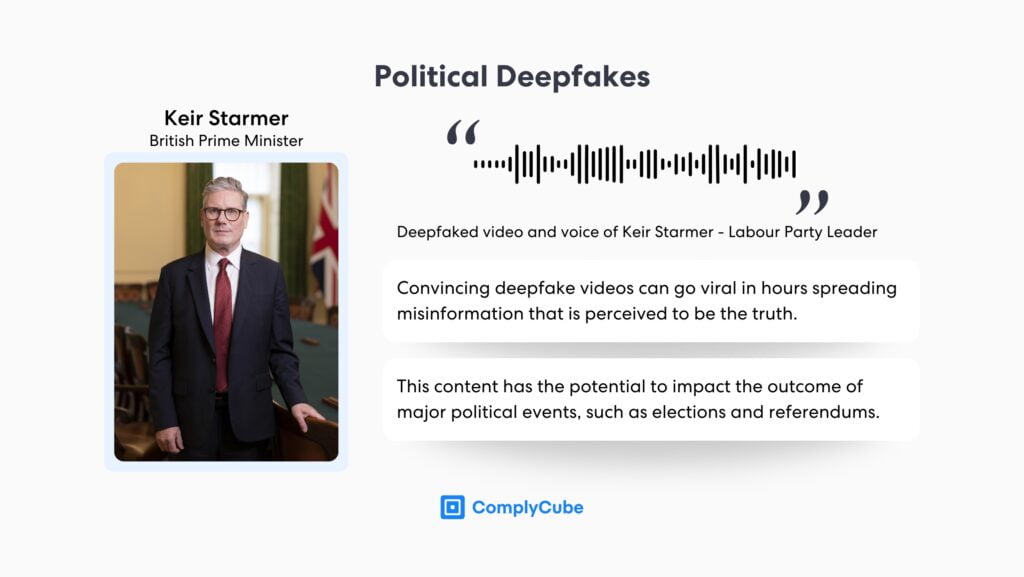
Deepfakes represent one of the most captivating yet alarming advancements in digital fraud. They utilize AI to generate ultra-realistic fake images, videos, sound, and other media, which can be used for multiple malicious activities. The most common detriment to businesses is the use of deepfakes in the Identity Verification process.
- Misrepresentation in the media.
- Identity theft to bypass IDV.
- Blackmail and forced coercion.
- Sophisticated phishing scams.
Deepfake technology has become so advanced in such a short space of time that even relatively sophisticated IDV solutions can be fooled by them. This begs the need for businesses to search for the most intuitive and reliable KYC onboarding provider. You can learn more here: Deepfake Detection Software.
Increased Reports on Account Takeovers and SIM Swap Fraud
The attack and exploitation of communication avenues, such as mobile and email addresses, have become a prevalent form of digital fraud. As of the beginning of 2025, the FBI reported more than $262 million in losses from ATO. With ATO, criminals hijack a customer’s account to access sensitive information and can use a mix of methods, including phishing, SIM swapping, and credential stuffing.
- Unauthorized access to financial and social media accounts
- Stealing personal information and monies
- Identity theft for fraudulent transactions
- Service disruptions and loss of customer trust
Furthermore, fraudsters are exploiting the use of VPNs and fake numbers from free online services to circumvent basic geo-checks. This enables them to bypass KYC services during onboarding, which can be critical, especially if sanctioned person gain access to financial systems or services.
The Need for AI-Powered IDV Solutions
The Federal Trade Commission (FTC) reported significant increases in general fraud, with financial losses to consumers amounting to over $12.5 billion in 2024 alone. This represents a 25% increase from the previous year. Digital fraud, however, is growing even quicker, and this is emphasized by the proliferation of deepfake attacks. For example, in 2024, a deepfake AI gang reportedly drained a crypto Centralized Exchange (CEX) account of all of its funds in just 25 minutes.
The exchange in question was OKX, a leading CEX with a global reach that fell victim to fraudsters using deepfakes to bypass identity authentication software to gain total access to the account. This corroborates a recent ComplyCube guide discussing how the crypto industry, in particular, is currently battling a deepfake crisis. You can learn more about the technology behind online fraud prevention here: Why Identity Verification AI is Crucial.
Online Fraud Prevention and IDV Solutions
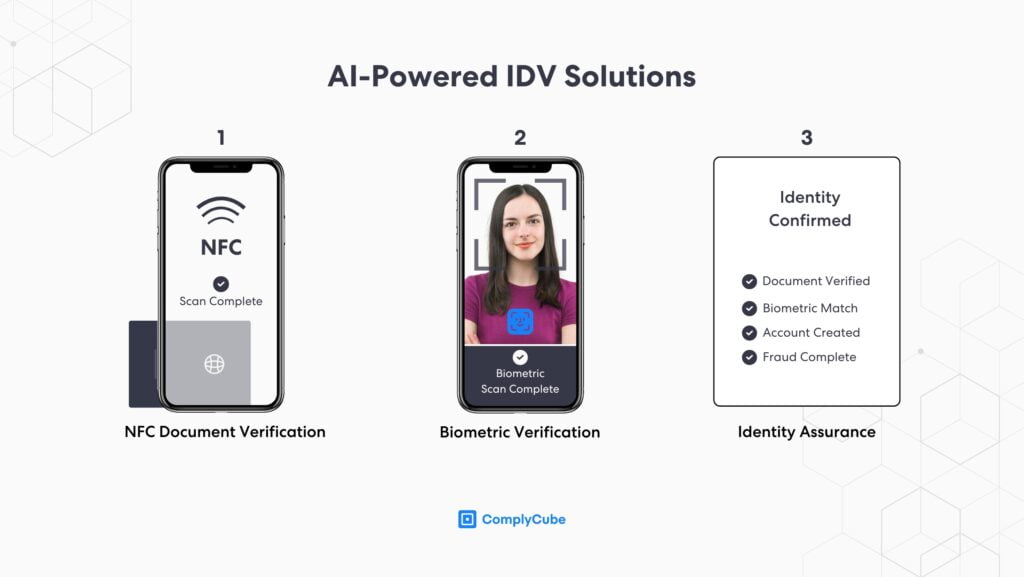
A robust KYC and onboarding process is the most effective method to prevent online fraud. With automated KYC, firms can scan a user’s identity document and match it against a selfie image taken live during the onboarding process.
These processes are known as document verification and biometric verification, respectively. Together, they form the foundation of modern KYC and, when developed properly, act as the best defense against online fraud and deepfakes.
Intelligent Fraud Solutions Pre-KYC
A company might opt for fraud intelligence solutions to verify customer identity cost-effectively and straightforwardly. This includes solutions such as email, phone, and OTP verification, which enable businesses to assess the likelihood of fraud from customer risk profiles. This frictionless layer scans for high-risk customers by analyzing IP addresses, carrier signals, and prior suspicious activity.
As customers are not required to submit selfies or documents, this method provides a non-invasive and seamless way to validate customer identity remotely without complex steps. Companies can save resources, build trust, and maintain a positive customer relationship by flagging anomalies such as VPN usage to block fraud effectively.
Email Intelligence and Prior Abuse
It is very common to find free online services that offer false or disposable email addresses. Email intelligence solutions help combat this challenge by enabling a company to onboard genuine email addresses. Factors such as domain age, disposable addresses, and deliverability prevent fake or suspicious email addresses, including those associated with a data breach, from accessing a service.
Robust Risk Insights with Phone Intelligence
Mobile checks provide a simple way to gather data on fraud likelihood before KYC. Firms can verify if a mobile number is genuine by checking if it has the correct format and uses a valid carrier in the specified country. Additionally, enhanced phone intelligence tools provide deeper analysis, such as recent abuse and activity, to generate a risk level score, making decision-making much quicker.
OTP Verification for Layered Defence
One-Time Password (OTP) is a feature which allows organizations to verify a user’s mobile number or email address. It adds a strong barricade in blocking credential-stuffing, brute force, and phishing attacks. OTP service supports strong customer authentication required in several regulations, including the Payment Services Directive 2 (PSD2) in the European Economic Area (EEA).
Device Intelligence for Behavioral Insights
During KYC onboarding, device intelligence helps businesses gather a customer or entity’s device and network as they upload documents, take selfies, or submit information. This check occurs in the background, so it does not require any additional steps from the customer. By ensuring that the device and network have not been hacked or manipulated, it offers confidence that any data collected belongs to the client.
Identity Verification Workflow
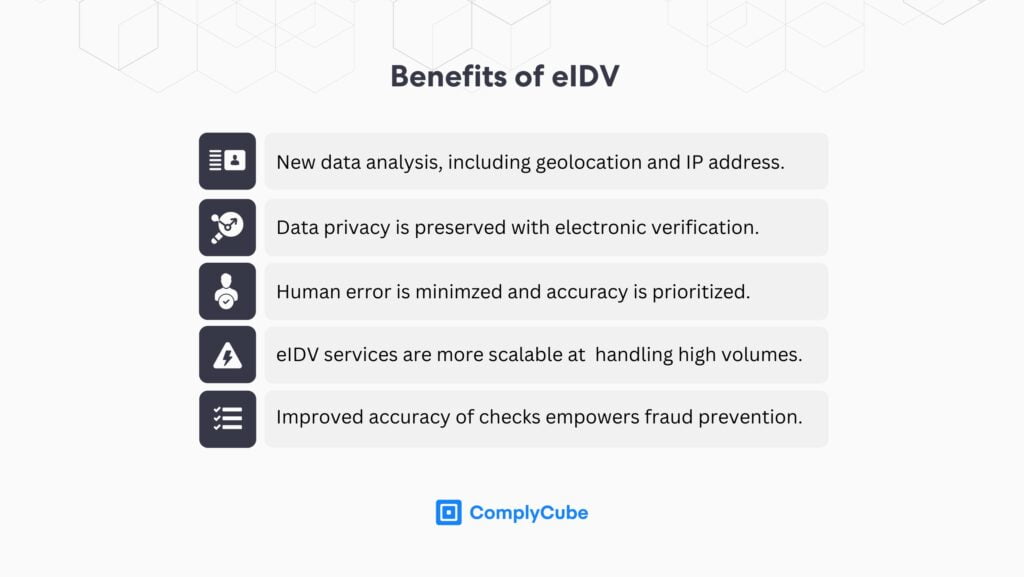
Document verification is designed to extract the user’s sensitive data while also verifying the document’s authenticity. Scanning for tampering or other counterfeit factors this process takes 15 seconds to complete, contributing to a frictionless customer experience with inbuilt protection against AI fraud.
This sensitive information immediately populates a user’s new account, including date of birth, and country of origin, amongst many others. The immediacy and availability of this data make ComplyCube’s IDV solution among the very best on the market.
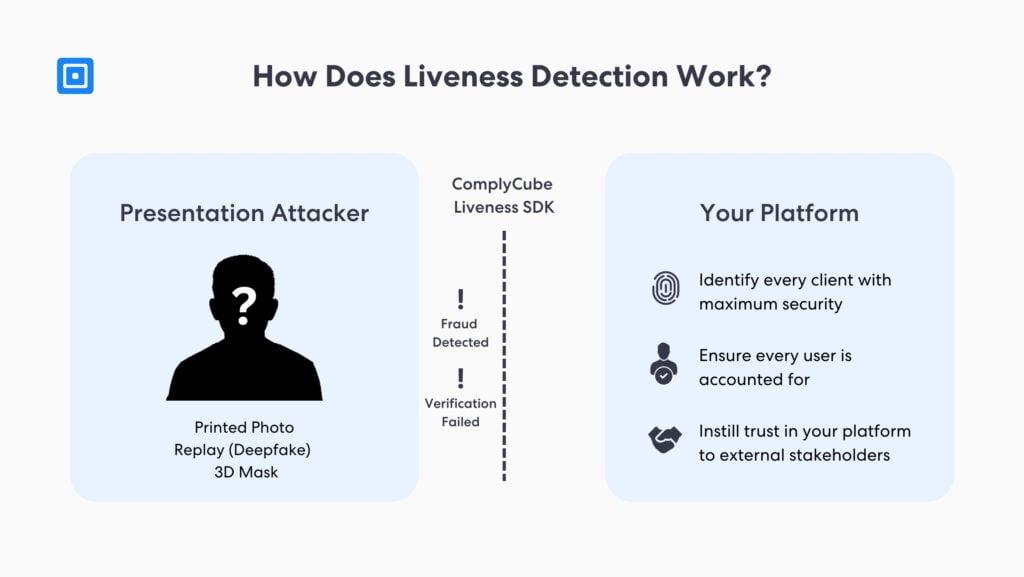
Typically, for maximum identity assurance, this process is followed by a biometric verification which can take as little as 5 seconds to complete. Leveraging bespoke AI, this process analyzes facial biometrics with powerful liveness detection software built in. These selfie images are then compared to the stock image on the KYC document to ensure the person presenting the ID matches the selfie.
Furthermore, face recognition software can be used for biometric authentication, to safeguard users’ accounts from deepfake or other presentation attacks, and to mitigate against repeat sign-ups. Facial recognition software is a fundamental technology in ensuring that the same person cannot open more than one account.
These solutions are used widely across the fintech world to safeguard the account opening process. The benefit of operating under a SaaS model is that they are entirely cloud-based solutions that can be distributed easily across many different digital channels via an Software Developer Kits (SDK) or Application Programming Interface (API).
Powerful Identity Verification SDKs and APIs
ComplyCube’s Identity Verification solutions can be integrated in multiple ways and are a leading factor behind the company’s success. Its mobile and web SDKs and APIs offer organizations a seamless way to integrate different IDV solutions into a single workflow. Compliance teams have the flexibility to tailor a workflow to meet specific business and regulatory requirements.
Whether a startup or an enterprise, firms can implement a robust and automated IDV process within their current technology stack immediately. This unified approach reduces the dependencies on third-party providers, lowering cost and time-to-implementation. For more information about integration methods, read the company’s document page.
Key Takeaways
- Digital identity verification is a critical defense against modern online fraud.
- Deepfakes, tampered ID documents, and account takeover methods are used to bypass KYC controls.
- Enhanced IDV utilizes document checks, biometric verification, and device intelligence to verify users quickly.
- Fraud intelligence tools include email, phone, and OTP verification to provide early fraud screening.
- Cloud-based IDV platforms delivered via SDKs and APIs enable firms to embed multi-layered checks.
About ComplyCube’s Online Fraud Prevention Solution
The leading firm for IDV solutions has experienced a rapid accession in the compliance world. Operating with firms worldwide, ComplyCube works in the telecoms, crypto and fintech, digital banking, and finance industries, amongst countless others.
Named as an Anti-Money Laundering (AML) and Digital Customer Onboarding Leader in the Fall 2025 G2 awards, it is easy to see why firms are choosing to work with the London-based compliance firm. For more information on ComplyCube’s online fraud prevention solutions, including AML, KYC, and IDV solutions, get in touch with one of our specialists today.
Frequently Asked Questions
How does digital identity verification stop AI-powered deepfake fraud?
Digital identity verification employs various checks, including AI-powered biometric, document, and device verification, to confirm the identities of customers and businesses. It helps prevent fraud by blocking unidentified, high-risk users and deepfakes from bypassing critical KYC controls.
How does email, phone, and device intelligence reduce fraud risk?
Email, phone, and device intelligence analyzes critical behavioral and network signals, such as recently abused or hacked devices. The legitimacy of contact information can be verified early, enabling fraud detection at the point of entry.
Why should fintechs and crypto exchanges upgrade from legacy ID checks to modern IDV?
Modern IDV solutions utilize advanced AI and machine learning technologies to facilitate the accurate and rapid detection of suspicious activity. It helps prevent sophisticated fraud such as deepfakes and account takeovers.
How can businesses integrate SDKs and APIs to build a multi-layer fraud prevention strategy?
By integrating SDKs and APIs, firms can embed real-time identity verification solutions seamlessly into a single workflow. Ongoing monitoring, device intelligence, and document verification can be combined to provide a more robust risk analysis, preventing fraud at scale.
What role does ComplyCube play in preventing fraud and money laundering?
ComplyCube offers award-winning compliance solutions that enable businesses to prevent fraud and adhere to the highest global regulatory standards, such as the FATF. The platform delivers AML and KYC solutions, which include advanced features such as sophisticated liveness detection and Optical Character Recognition, making fraud detection and prevention more accurate, secure, and scalable as onboarding volume increases.