TL;DR: KYC vs AML is a foundational concept in modern compliance. Know Your Customer (KYC) focuses on verifying customer identity, while Anti-Money Laundering (AML) targets the prevention of financial crime. Understanding AML vs KYC helps organisations design risk-based controls that go beyond onboarding.
The rapid growth of the online economy and the FinTech industry has led to an unprecedented demand for Anti-Money Laundering (AML) and Know-Your-Customer (KYC) tools. What do we mean by AML and KYC? Can we use these two terms interchangeably? To understand the difference between KYC vs AML, we’ll start by looking at what each process implies.
What is Know Your Customer (KYC)?
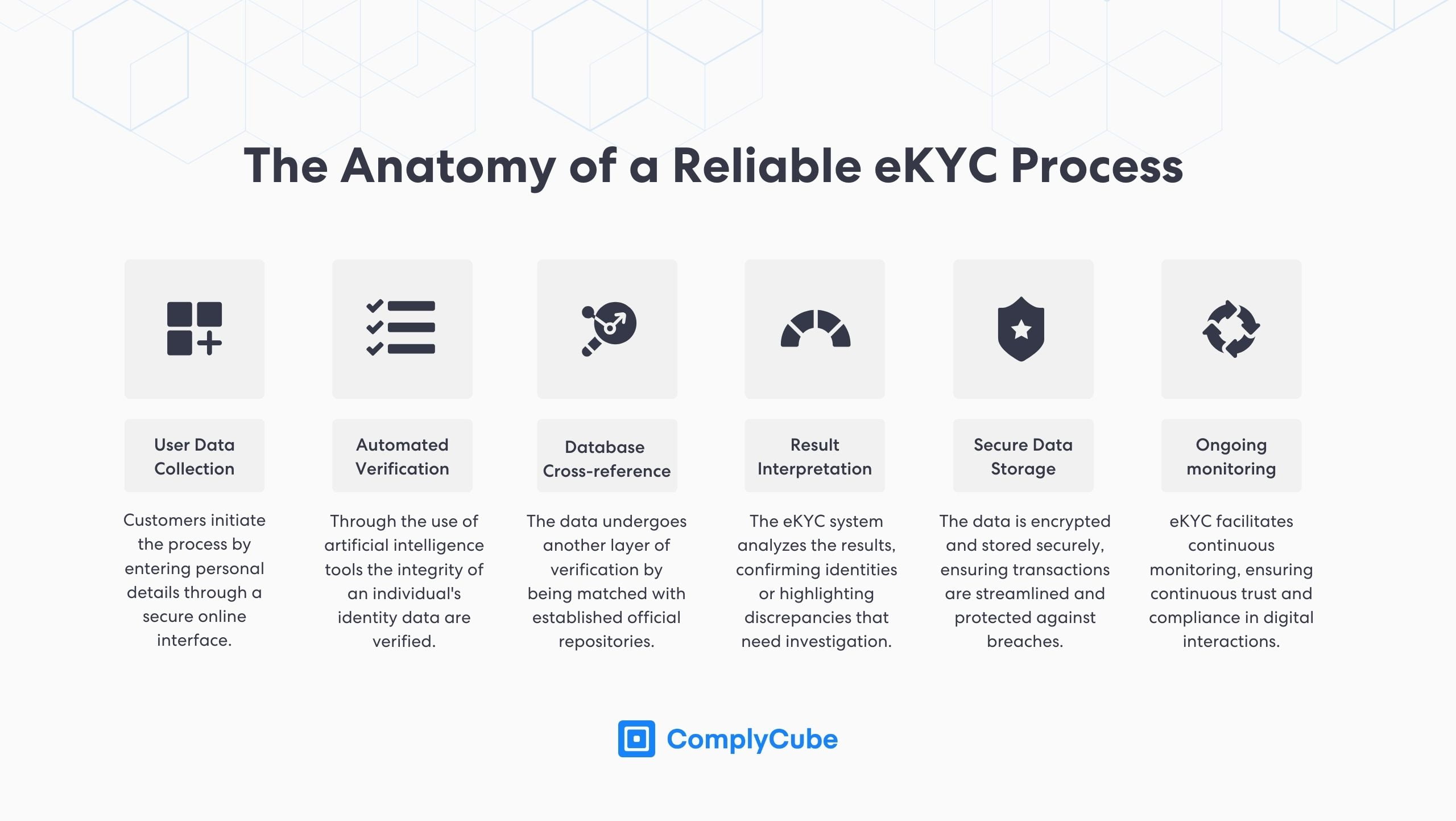
KYC is the process financial institutions follow to collect relevant data from their customers to establish their identity and risk profile. For instance, investors must be verified before participating in a funding round, and likewise, individuals must be verified before opening a bank account. Anti-money laundering (AML) regulations require KYC for regulated firms to ensure that they do not conduct business with malicious individuals and contribute towards terrorist financing.
What is Anti-money laundering (AML)?
AML refers to measures, policies, and controls regulated institutions and governments employ to prevent, discourage, and combat Financial Crime (FinCrime), especially money laundering and terrorism financing. AML also encompasses Sanctions, which governments or international bodies use to coerce specific regimes to change their behavior. Moreover, a regulated institution’s AML policy forms part of its broader AML compliance program, which is developed to comply with its local AML regulatory requirements.
What is a Customer Identification Program (CIP)?
Businesses undertake a Customer Identification Program (CIP) to learn more about a customer’s identity when onboarding new consumers. It is the first step in stopping financial crimes. CIPs help businesses identify customers so they can conduct further regulatory checks on them, such as AML screening. Learn more by reading “What is CIP?“
What is Customer Due Diligence (CDD)?
AML and KYC regulations state that once a firm has identified a client, it must conduct Customer Due Diligence to ascertain the level of associated risk posed. CDD involves further identity checks and background and AML screening, amongst other tasks.
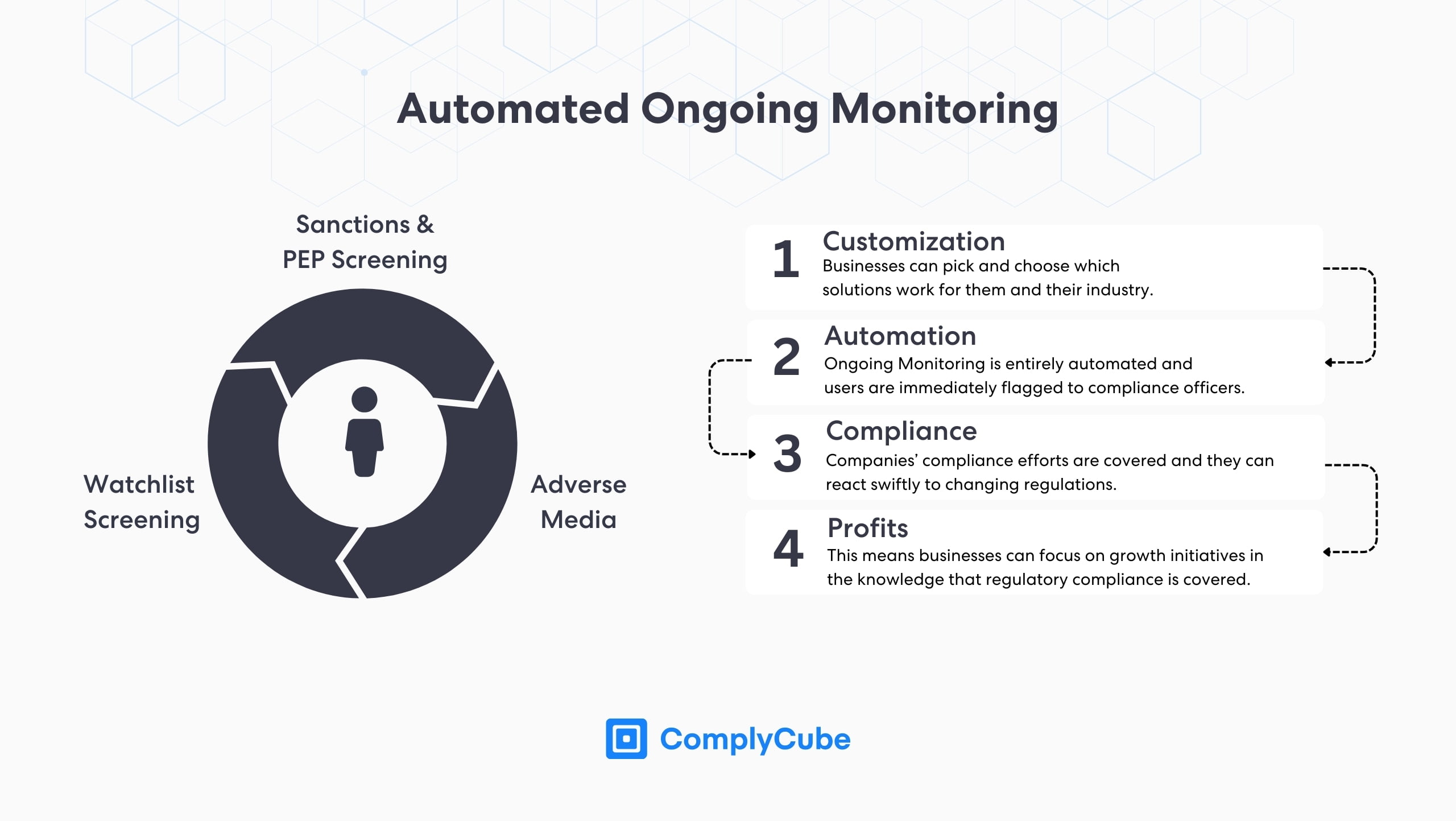
Enhanced Due Diligence (EDD) is occasionally needed for higher-risk individuals, such as Politically Exposed Persons (PEPs). To help prevent money laundering, these processes are conducted around the clock in what is known as ongoing monitoring. Learn more by reading What is Customer Due Diligence?
Case Study: Monzo AML Failures (UK FCA)
Monzo experienced rapid customer growth, onboarding millions of users within a short period. The Financial Conduct Authority (FCA) found that controls were inconsistently applied and insufficient for the scale of operations. This led to weaknesses in AML monitoring, with suspicious activity, including potential mule account usage.
Regulatory-Driven AML Remediation Programme
Following FCA intervention, Monzo implemented a comprehensive remediation programme. This included improving transaction monitoring systems, enhancing risk assessment processes, and increasing oversight across customer accounts. The focus shifted towards integrating AML and KYC into a more cohesive, risk-based compliance model.
Outcome
£5.4 million FCA fine highlighting AML control deficiencies
Strengthened transaction monitoring and risk detection capabilities
Improved alignment between KYC onboarding and ongoing AML compliance processes
How do KYC and AML differ?
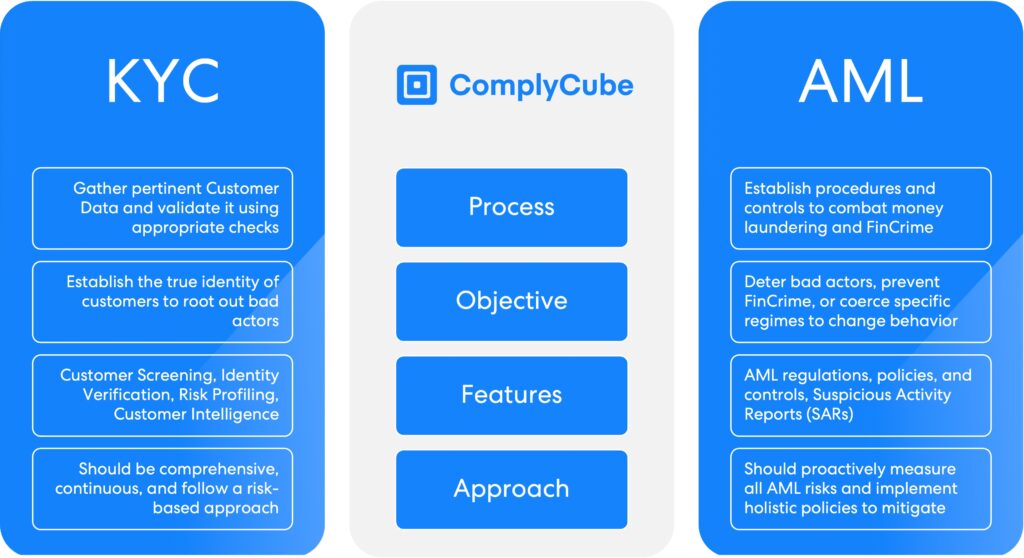
Though institutions may blur the lines between KYC and AML, they are two distinct compliance frameworks. They have different scopes, processes, and objectives, as depicted in the comparison graphic below. AML is much broader in scope and typically encompasses many components, such as:
- KYC procedures.
- AML standards and guidelines.
- Risk-based AML policies.
- AML staff handbooks.
- Ongoing risk assessment and continuous monitoring.
- AML compliance training program for staff.
- Internal controls and internal audits.
- Escalation matrices and procedures.
With that said, an effective AML policy requires a reliable KYC process, as without establishing customers’ true identity and their source of funds, FinCrime cannot be prevented or detected. On the other hand, AML laws and policies inform the risk-based approach that needs to be followed for KYC procedures.
Key Takeaways
KYC vs AML serves different purposes, identity verification versus financial crime detection.
Strong KYC alone is insufficient without ongoing AML monitoring and risk analysis.
AML and KYC integration enables a complete, lifecycle-based compliance strategy.
Regulatory expectations increasingly require continuous monitoring, not just onboarding checks.
Platforms such as ComplyCube unify KYC and AML workflows, improving efficiency and risk visibility.
KYC vs AML Compliance Solutions
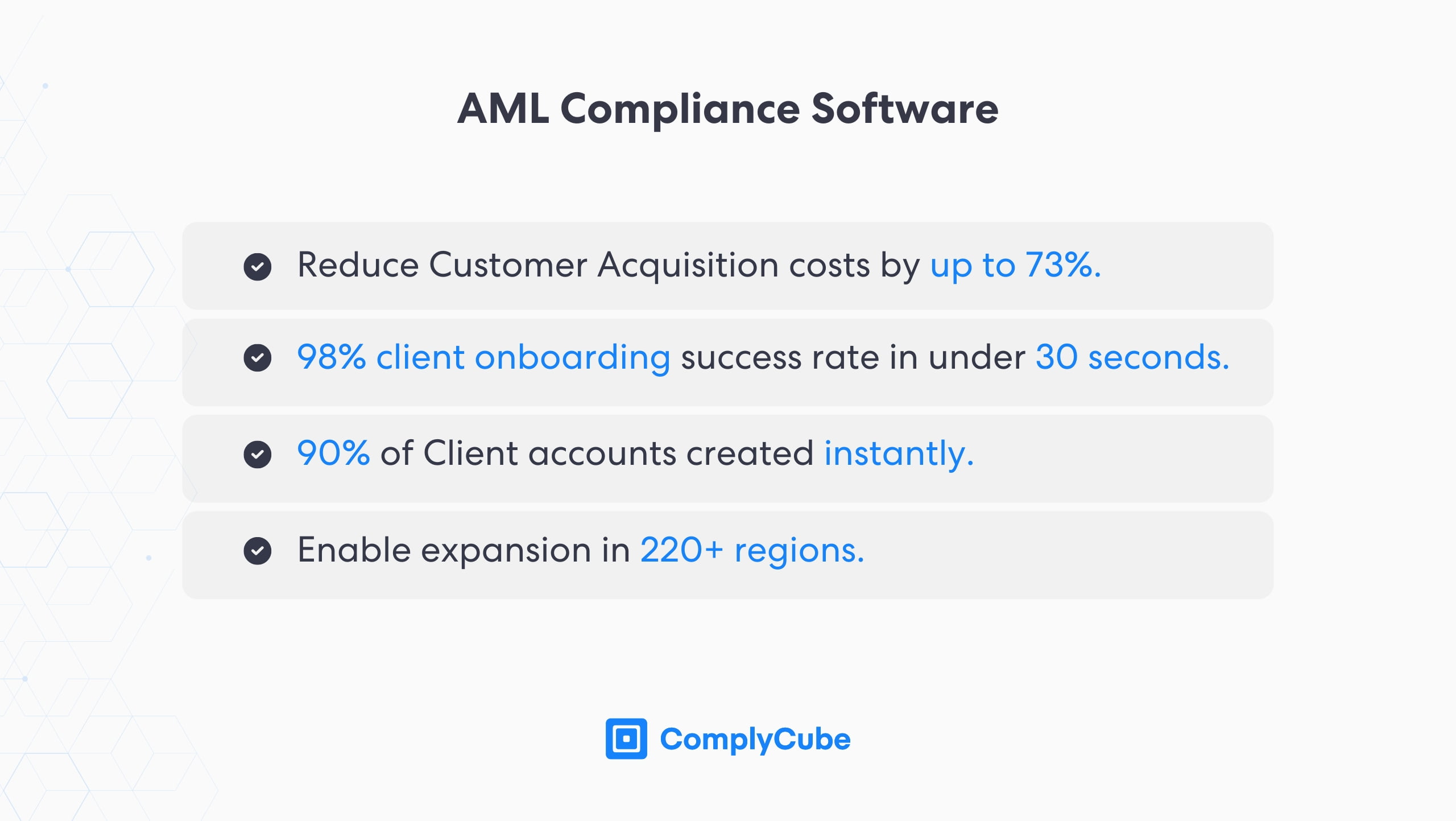
Achieving compliance with AML/CFT regulations requires significant administrative effort and large amounts of data analysis. Hence, many firms opt for automating AML processes with various innovative tools to reduce human error and avoid potential compliance penalties. Automation not only offers improved speed, accuracy, and efficiency to AML; it also helps firms quickly respond to new regulations and continue to deliver the highest standards of compliance.
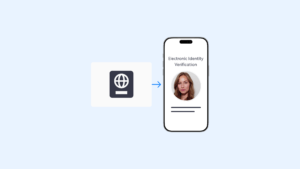
For instance, AML solutions can quickly analyze customer data, look for specific risk flags, and raise real-time alerts to Money Laundering Reporting Officers (MLROs). They also help with the automation of KYC procedures through electronic Identity Verification (eIDV), which typically involves the following two steps:
- Acquisition of an identity document, e.g., passport, national identity card, or driver’s license. The ID document is then analyzed across multiple vectors such as authenticity, consistency, expiry, and so forth.
- Establishing that the document holder is indeed present during the transaction. This is achieved by taking a selfie or video along with a passive or active liveness check.
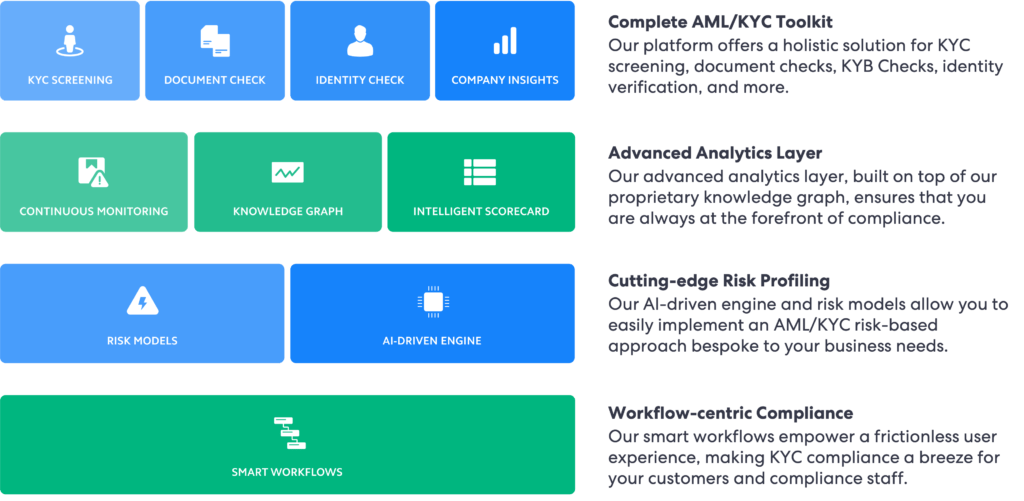
At ComplyCube, we have built a powerful AML/KYC Compliance stack on top of smart workflows and APIs. Our unique platform enables firms to quickly implement a risk-based AML/KYC framework bespoke to their needs. Businesses can also leverage our state-of-the-art Mobile and Web SDKs to create user-friendly KYC processes that effortlessly verify customers’ identities.
For more information on how to safeguard your organization, get in touch with our expert compliance team.
Frequently Asked Questions
What is the difference between KYC and AML?
KYC vs AML differs in scope and timing. Know Your Customer (KYC) verifies identity during onboarding, while Anti-Money Laundering (AML) focuses on monitoring transactions and detecting financial crime over time. KYC establishes trust at entry, whereas AML ensures ongoing risk management throughout the customer lifecycle.
Is KYC part of AML compliance?
Yes, KYC is a core part of AML compliance. It provides the verified identity data needed for sanctions screening, risk assessment, and monitoring. In practice, AML vs KYC is a layered approach, where KYC forms the foundation and AML builds on it to manage financial crime risks.
Why do businesses need both AML and KYC?
Businesses need both AML and KYC to meet regulatory requirements and reduce exposure to fraud and money laundering. KYC confirms customer identity, while AML tracks behaviour and flags suspicious activity. Using both ensures a complete compliance framework rather than a one-time verification process.
How do AML and KYC work together?
AML and KYC work together through a risk-based lifecycle. KYC collects and verifies identity data, which AML systems use for screening, monitoring, and ongoing due diligence. This integration helps organisations maintain accurate risk profiles and respond to threats in real time.
How does ComplyCube support AML and KYC compliance?
ComplyCube provides a unified platform combining KYC, AML, and Identity Verification (IDV) into a single workflow. Businesses can perform onboarding checks, real-time sanctions and PEP screening, and continuous monitoring globally. With no-code automation and advanced fraud detection, organisations can streamline compliance while maintaining strong risk controls.